Mold Abatement in Brock Hall, MD
Mold and damaged materials are removed from walls, ceilings and cavities in your Brock Hall property. Call 24/7 to arrange an assessment and contained cleanup.
- Moisture source checked first
- Containment and HEPA filtration
- Removal through final checks
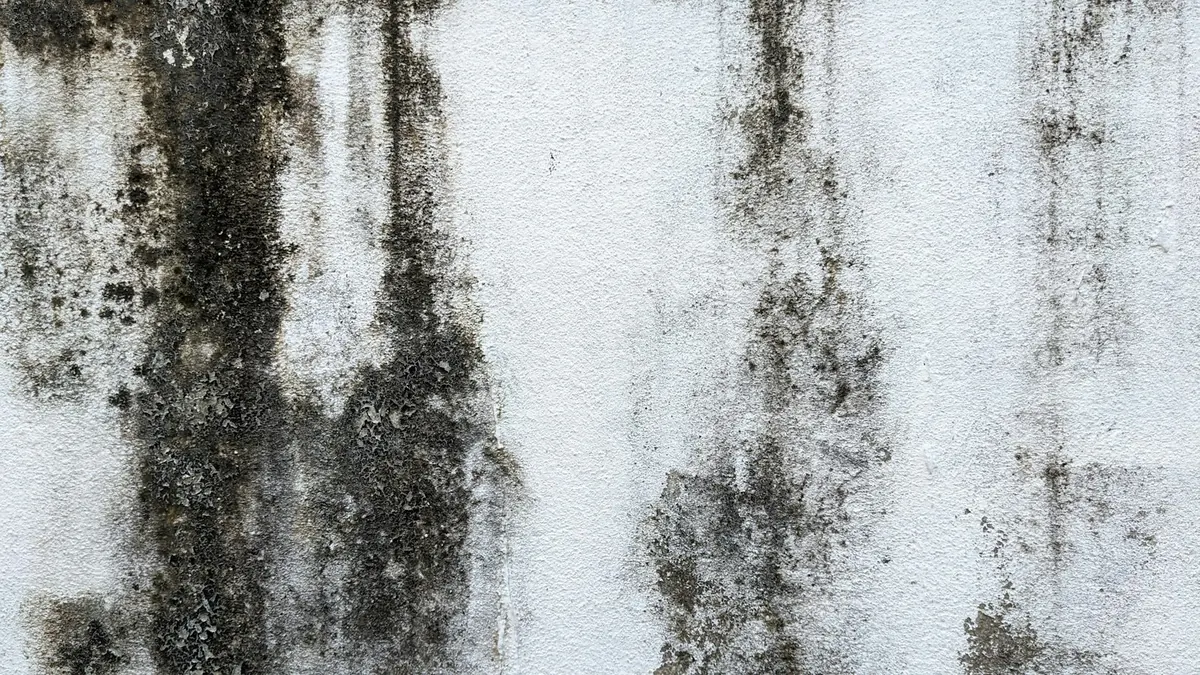
Brock Hall Mold Abatement Services
Mold and materials that cannot be saved come out of your flooring, walls, accessible cavities and ceilings. Inside containment, cleaning and drying address sound framing along with non-porous surfaces.
Your abatement plan follows the condition of drywall, carpet pad, ceiling tile and insulation. Hidden growth behind finishes is assessed before removal limits are set.
The moisture source is traced first. A written scope of work defines removal, cleaning, drying and completion checks, with leak repairs and rebuilding listed separately when needed.
- Wall and ceiling cavity assessment
- Waste Disposal and Drywall Removal Under Containment
- Sound Wood Cleanup and Hard Surface Cleaning
- Drying equipment and moisture readings
- Final cleaning and completion checks
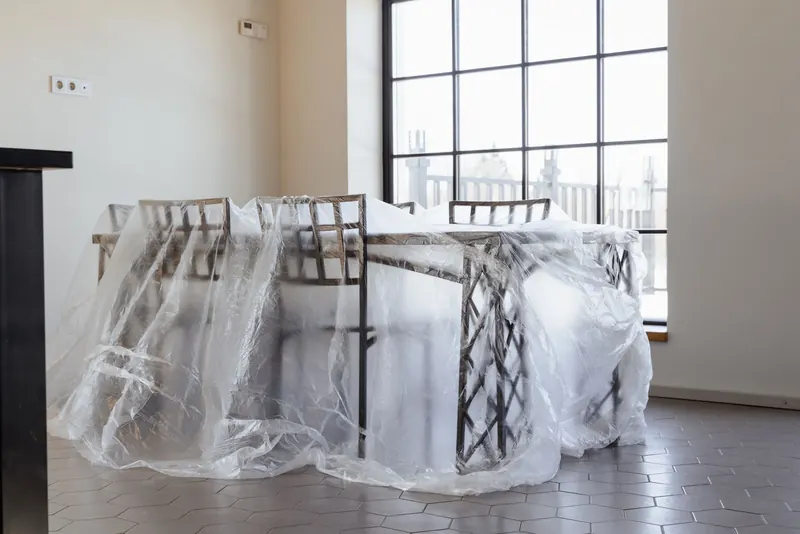
When You Need Mold Abatement
Your damaged finishes, lingering smell or returning mold may indicate moisture out of sight.
Persistent Musty Odor
Your room still smells damp after cleaning, with no visible source.
Growth in Several Rooms
Check moisture throughout your affected rooms when adjoining walls show visible mold growth.
Mold Exposed Behind a Finish
Lifting carpet or opening a wall exposes growth that surface cleaning cannot reach.
Soft Drywall or Swollen Trim
Your drywall softens or trim swells near a leak, sometimes with growth along the edges.
Mold Returns After Wiping
Your walls or trim develop spots again while moisture lingers beneath the finish.
Your Greater Washington Mold Abatement Process
Your job follows an assessed scope through contained removal, drying and verification.
Mold Inspection and Assessment
Inspection covers affected rooms and cavities that can be reached. A moisture meter maps dampness; a thermal imaging camera can guide investigation but does not identify mold.
Abatement Plan and Moisture Source
Tracing starts with leaks and materials holding moisture. The abatement protocol defines removal limits, moisture corrections and separate repairs.
Containment and Air Filtration
Poly sheeting forms a containment barrier. Your job requirements guide the choice of HEPA air scrubber, protective equipment and negative air pressure to restrict particle movement.
Removal of Contaminated Materials
Drywall, insulation, carpet pad and ceiling tiles that cannot be saved come out when necessary. Before traveling the protected route, waste is wrapped within containment.
Surface Cleaning
Using a HEPA vacuum with damp cleaning clears growth off sound surfaces. Antimicrobial treatment supplements cleaning when appropriate.
Drying and Moisture Control
A dehumidifier and controlled air movers support drying as the water problem is corrected. Moisture readings track exposed framing and cavities.
Final Cleaning and Verification
Post-remediation verification compares drying results and surface cleaning against the scope you agreed to. Specified post-abatement testing, or clearance sampling, falls to an assessor working independently.
Containment Removal
After checks confirm completion, containment is removed. When your scope includes the work, drywall and insulation replacement and finish repairs come next.
Why Choose Washington Mold Removal Services for Mold Abatement
Clear Scope Before Work
Your removal area, cleanup and separate repairs are defined before work starts.
Contained Mold Cleanup
Your work area and removal route use containment with HEPA filtration to curb mold spores spreading outward.
Moisture Before Mold Removal
Tracing the water problem is part of your assessment ahead of removal and drying.
Calls Answered 24/7
Across the metro, one number lets you begin your assessment by day or at night.
Removal Through Final Checks
Damaged material is removed, sound surfaces are cleaned and drying is verified before containment comes down.
Steps Before Your Prince George's County Mold Cleanup
Do not disturb the affected surfaces. Make a call to schedule your assessment.
- Limit access. Prevent people or pets from approaching surfaces with damage or visible growth.
- Avoid wet electrical equipment. Do not approach water beside electrical fixtures, outlets or wiring.
- Leave finishes in place. Until containment is established, do not tear out, brush or sand moldy materials.
- Avoid spreading particles. EPA advises against operating HVAC equipment suspected of contamination; never direct fans toward growth.
- Limit fresh water damage. Drying water-damaged items and areas within 24 to 48 hours helps prevent mold growth, according to EPA.
Mold Abatement Cost in Brock Hall, MD
These national remediation ranges offer a comparison for abatement. Your price follows the affected area and material damage; testing, moisture repairs and rebuilding may cost extra.
Typical National Mold Remediation Range
$1,500 to $9,000 per jobSource: Fixr, Mold Remediation Cost (checked 2026-10-23)Typical Mold Remediation Range
$1,200 to $3,750 per jobSource: This Old House, Mold Remediation Cost (cost data credited to Angi) (checked 2026-10-23)Mold Remediation by Professionals for More Than About 10 Square Feet
$10 to $30 for each square footSource: Fixr, Mold Remediation Cost (checked 2026-10-23)Brock Hall Mold Removal Cost Factors
- Cost per square foot and your affected area
- Access behind walls and ceilings
- Material removal and waste disposal
- Separate testing and repair work
- Containment and air scrubbers
- Drying equipment and monitoring
Contained Cleanup Pricing for You
These published national ranges are planning figures. Your on-site assessment defines the work and price before cleanup starts, including any separate source repairs or rebuilding.
Call (844) 352-3560 about costMold Abatement Service Area Across Greater Washington
Call (844) 352-3560 to arrange cleanup in Brock Hall or nearby communities. One number covers the metro.
Mold Abatement in Locations Near Brock Hall
Answers to Mold Abatement Questions in Brock Hall
In Brock Hall, how long will mold cleanup last?
Your schedule follows the affected rooms, material condition and access. Cleaning a reachable surface takes less work than removing damaged drywall from multiple rooms. Drying follows moisture readings. Separate rebuilding, along with any specified clearance testing, also influences when you can use your rooms again.
Which factors shape your mold abatement cost in Prince George's County?
Your total reflects drying requirements, material removal, the affected area and accessibility behind finishes. The national cost cards above show published ranges with their sources and units. You may have separate work for testing, replacement finishes and source repairs. Your property assessment establishes pricing and scope ahead of the cleanup.
Is mold testing necessary before removal or once removal is complete?
EPA says air sampling is often unnecessary when visible mold is present. Moisture checks and inspection define the area of work. Verification of drying and cleaning comes before removing containment. If clearance testing is specified, an independent assessor performs it. No federal limit sets the allowable level of mold indoors.
Is mold likely to come back after abatement?
Leaving the water problem unresolved can allow mold to return. Before cleanup, your assessment traces trapped moisture, condensation and leaks. Rebuilding comes after affected materials are cleaned or removed and surfaces have dried. You help prevent those conditions recurring through completed moisture repairs and continued humidity control.
What must be removed from the contained area?
You may need to remove unsalvageable insulation, ceiling tile, carpet pad and drywall. You can often clean and dry accessible hard surfaces as well as sound framing. Material condition sets the scope for your work. Damage hidden behind your finished wall may require removal beyond the visible patch.
Do you have to leave your property while work is underway?
You may stay if the rooms you occupy remain apart from containment and the path for removing waste. The decision depends on household needs, bathroom access and ventilation shared between spaces. Temporary relocation is necessary on some jobs. Your assessment defines restricted access ahead of removal, with reopening after required repairs and final checks.
Is the moisture problem fixed too?
During assessment, the moisture source is found; planning defines needed corrections alongside cleanup. Roof, plumbing and ventilation repairs are part of the work only if your scope lists them. Any separate repairs are specified ahead of starting. Exposed cavities are checked for drying and unresolved moisture before replacement finishes cover the cleaned surfaces.
Maryland Insurance for Mold Cleanup
Your policy's mold limits and deductible matter, as do exclusions and why moisture occurred. Insurance may cover cleanup differently from repairs.
Greater Washington Safety for Mold Cleanup
During demolition, containment with controlled entry helps limit how far spores from mold spread.
Older Building Materials
A separate evaluation for hazardous materials may be necessary before any disturbance of finishes.
Mold Color
You cannot judge mold risk from color, according to CDC.
Sensitive Occupants
For some people, mold may trigger symptoms of allergies and asthma, according to CDC.
Contaminated Water
For contaminated water or mold from sewage, seek professionals experienced with the relevant conditions.
Cleanup scope: EPA says areas under about 10 square feet can often be homeowner-cleaned. Seek professional help for contaminated water, HVAC systems or larger areas.
Prince George's County Mold-Affected Materials: Cleaning and Removal
What you can keep depends on each material's condition and whether it can be cleaned.
Non-porous surfaces
- Cleaning covers sound metal, glazed tile and glass, with backing evaluated on its own.
Porous materials
- Moldy insulation, ceiling tile, carpet and drywall may require disposal, while sound wood may allow cleaning.
Contents and finishes
- Verification comes before replacement finishes, and belongings receive their own assessments.
Timing Your Mold Cleanup in Prince George's County
Your timeline depends on removal area, how drying advances and verification as agreed.
- Access and removal: Several rooms with damage and concealed problems can mean additional work.
- Material drying: Readiness to close open cavities is determined through moisture readings.
- Verification and repairs: Replacement finishes and any specified clearance testing influence when you can reopen rooms.
Mold Odor and Humidity in Brock Hall
Fragrance cannot eliminate the cause of your odor. A musty smell that persists is traced by checking dampness and materials.
EPA advises keeping your indoor relative humidity under 60 percent; 30 to 50 percent is ideal. Controlling humidity helps prevent moisture after cleanup.
Mold Work Requirements in Maryland
Mold Contractor Requirements
Maryland does not have a working statewide license for mold remediators. A 2008 law created one under the Maryland Home Improvement Commission, but it was never put into operation and later expired.
Building Repairs
Your included plumbing, electrical or structural work determines which permits are required.
EPA Guidelines for Drying
Preventing mold growth calls for drying water-damaged areas and belongings within 24 to 48 hours.
State Mold Information
The Maryland Department of the Environment leads the state's mold information effort under the 2025 law, working with the Department of Health and other agencies. The law directs it to build a mold website and pamphlet and to write mold assessment and remediation standards by June 2027.
State guidance: Maryland General Assembly, SB 856 (2025) Fiscal and Policy Note, Maryland Tenant Mold Protection Act; Maryland General Assembly, Chapter 539 of 2025 (SB 856) enrolled text; Maryland General Assembly, SB 856 bill page (Approved by the Governor, Chapter 539); Maryland Workgroup on Mold Standards and Remediation report (HB 976 of 2023, submitted 2024)
Related Services and Next Steps
Start Your Mold Abatement in Brock Hall
Call 24/7 to arrange your assessment. Your cleanup starts with the affected surfaces, moisture source and access to your home.